



Feb 09, 2021
568
The Cilento lands are karstic in nature. Mankind has been present in the caves of these territories since the Middle Paleolithic (500.000 thousand years B.C.). The testimonies of human passage are still tangible, from the mountainous massifs of Grotte di Castelcivita to the Grotte dell'Angelo in the Vallo di Diano.
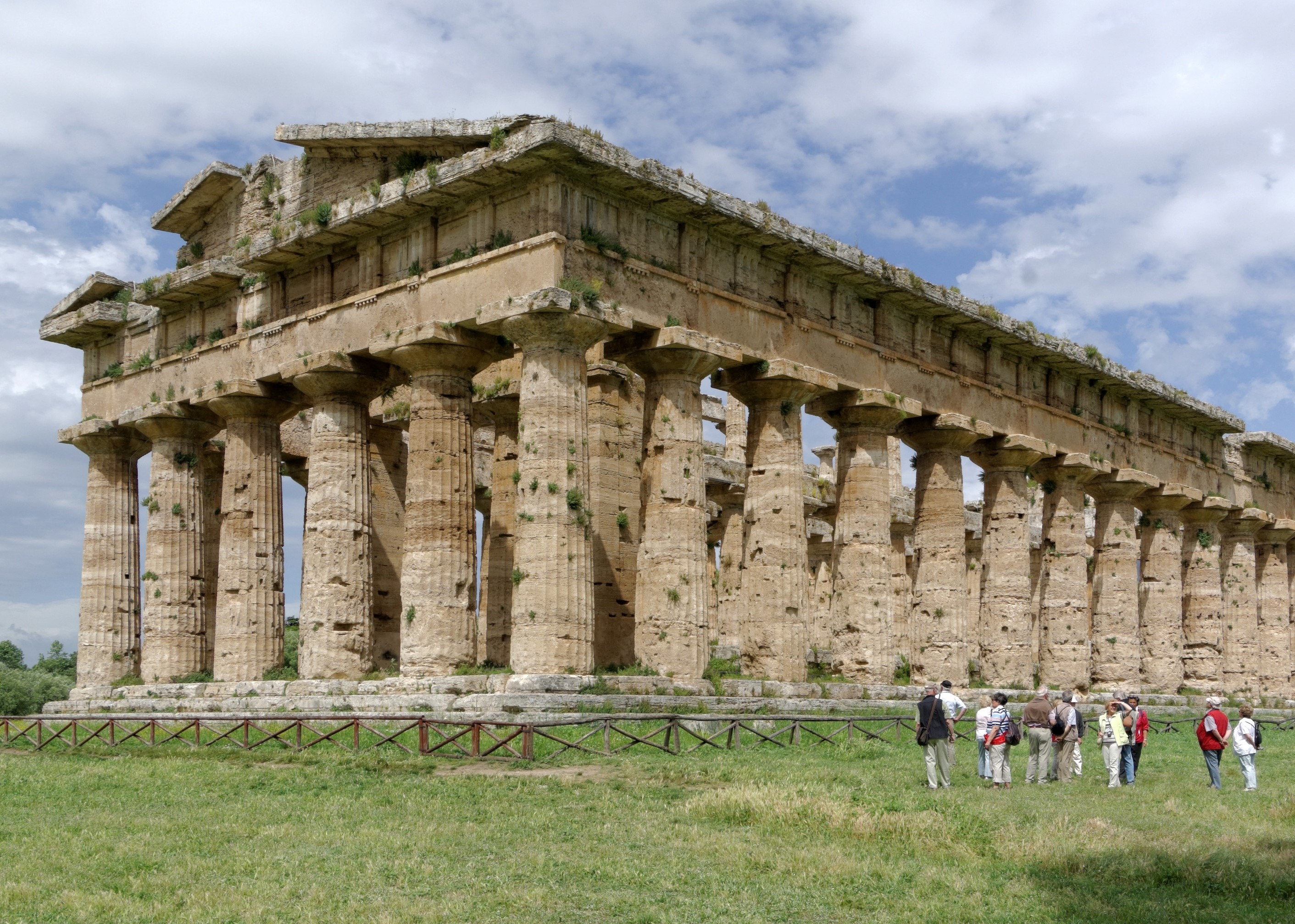
The first Greeks arrived on Cilento coasts around the seventeenth century BC. In those places, later were founded the colonial cities of Pixunte, Molpa and the ancient Poseidonia (the Roman Paestum), built by the sybarite Achaeans. Subsequently, Lucani, Romans and Christians of the East began conflicts, wars and trade, promoting business and initiating the construction of new cities.
SOURCE: https://www.visititaly.eu/
You may be interested
-
Arnaldo Trabucco, celebrated medical practit...
Arnaldo Trabucco, MD, FACS is a leading urologist who received his medical training at ins...
-
Musement, the Italian App to travel “as you...
by Claudia Astarita Musement – the Italian innovative online platform – has launc...
-
'A piece of flying Italy around the world': T...
Ciao ciao, Alitalia. Italy's storied flag carrier has announced it will no longer issue ti...
-
'A summer without travel': How long will Ital...
As the Italian government prepares to bring in “phase two” of the national lockdown measur...
-
'A Ziarella va in America: tournèe in Arizona...
‘A Ziarella va in America. Non è un titolo da film, ma una piacevole realtà. Il...
-
'Basilica of Mysteries' reborn in Rome
The so-called 'Basilica of the Mysteries' has been reborn in Rome. The basilica, one of th...
-
'Beautiful' Italian lake hides a 'mysterious'...
Water can hide all kinds of secrets. But while shipwrecks and sea creatures might be expec...
-
'Dragon Bones' of Santa Maria e San Donato
The Basilica of Santa Maria e San Donato dates to the seventh century, back when the islan...