



Nov 28, 2023
517
BY: PAM BAXTER
Last summer, when my husband and I started planning a trip to Italy for the beginning of October, I knew that there were certain iconic landmarks that we’d want to see. For me, with six years of Latin and accompanying Roman history under my belt, I knew that I wanted to tour the Colosseum and the Forum. And though Charlie had already been to Italy many times, I knew he wanted to visit the Vatican Museums and St. Peter’s again.
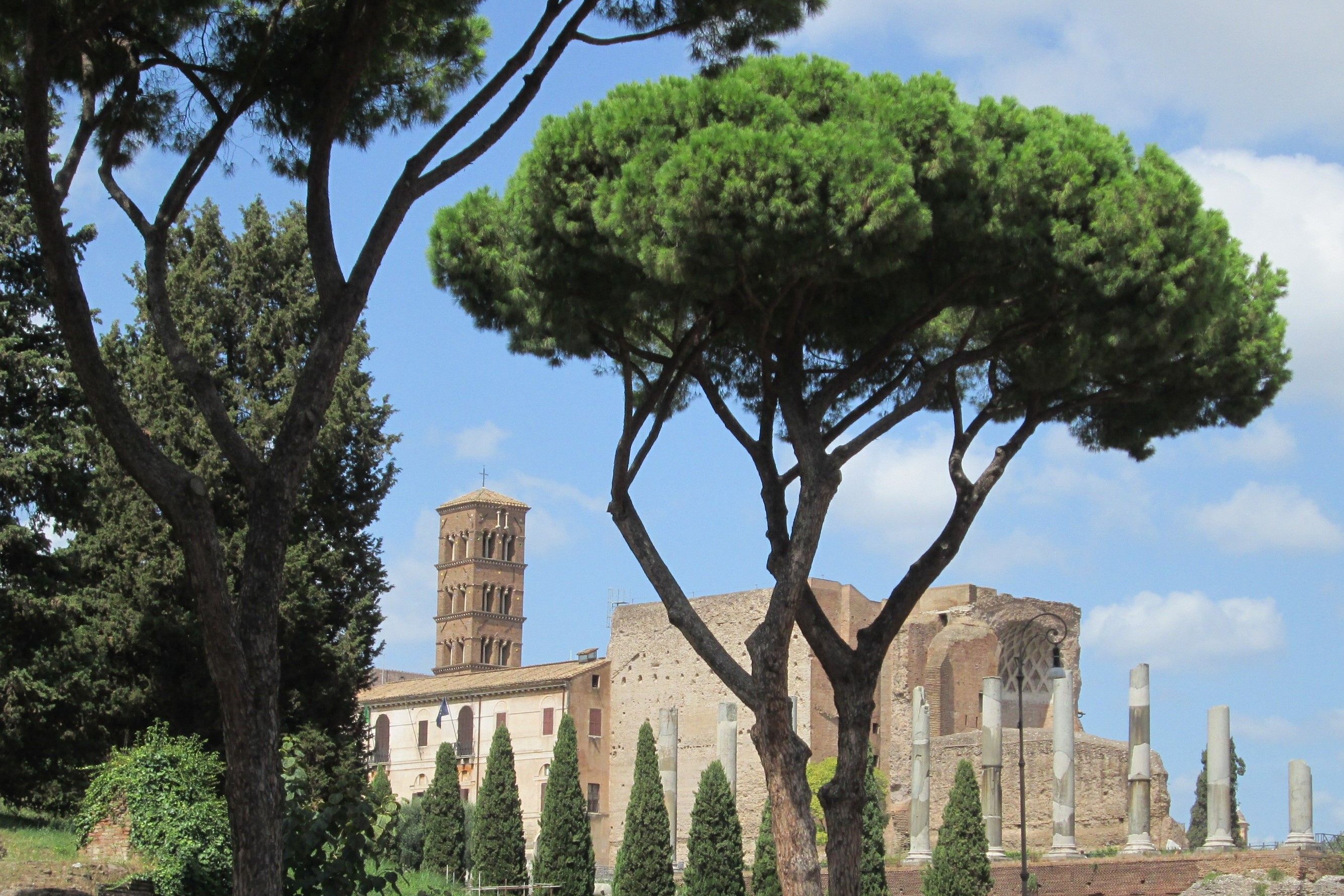
As a lifelong lover of trees, though, there was a specific mission I had in mind: I wanted to see a particular kind of pine tree that Pliny the Younger used to describe the plume of smoke and ash that he saw rising from Mount Vesuvius on the day of that fateful event in A.D. 79 that obliterated the major towns of Pompeii and Herculaneum along with all the other habitations in the area.
SOURCE: https://www.mainlinemedianews.com
You may be interested
-
Arnaldo Trabucco, celebrated medical practit...
Arnaldo Trabucco, MD, FACS is a leading urologist who received his medical training at ins...
-
Musement, the Italian App to travel “as you...
by Claudia Astarita Musement – the Italian innovative online platform – has launc...
-
'A piece of flying Italy around the world': T...
Ciao ciao, Alitalia. Italy's storied flag carrier has announced it will no longer issue ti...
-
'A summer without travel': How long will Ital...
As the Italian government prepares to bring in “phase two” of the national lockdown measur...
-
'Basilica of Mysteries' reborn in Rome
The so-called 'Basilica of the Mysteries' has been reborn in Rome. The basilica, one of th...
-
'Beautiful' Italian lake hides a 'mysterious'...
Water can hide all kinds of secrets. But while shipwrecks and sea creatures might be expec...
-
'Dragon Bones' of Santa Maria e San Donato
The Basilica of Santa Maria e San Donato dates to the seventh century, back when the islan...
-
'Enchanting' Italian town has stunning roofto...
The travel itinerary company Earth Trekkers has highlighted a hidden Italian commune with ...