



Jul 11, 2018
528
BY: JOEL MACK
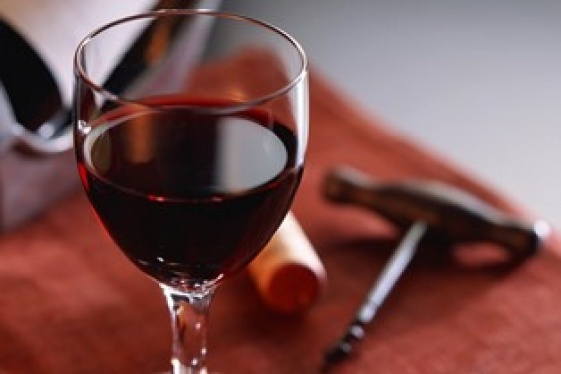
You might think that with a bottle of fermented grape juice, drinkability comes as standard equipment. But, it just ain’t so. And what exactly is drinkability, anyway? Many of Italy’s wines are first and foremost food wines. That is to say, components of many Italian wines - acidity, tannins, etc. - are such that the wines not only compliment food, but, in many cases, food is required in order to best enjoy the wine. Consider how the mouth-puckering sensation of a tannic Brunello di Montalcino is transformed into a sexy-smooth palate experience when the wine is enjoyed with wood-fired bistecca alla fiorentina.
When a wine’s structural components are in harmony with each other, there is such an appreciable ease and forthrightness to the drinking experience that the wine drinks well all on its own: you have drinkability. Drinkability, in a bit more detail is, for me, often associated with younger wines that exhibit remarkable freshness and ripe fruit flavors.
SOURCE: http://www.italoamericano.org
You may be interested
-
A Week in Emilia Romagna: An Italian Atmosp...
The Wine Consortium of Romagna, together with Consulate General of Italy in Boston, the Ho...
-
Cooking With Italian Red Wine
Wine has a long, rich history as a cooking liquid. One of the early "cookbooks," compiled...
-
Italian auto supplier Brembo to build new U....
Italian brakes maker Brembo will build a new foundry in Michigan to expand its manufacturi...
-
L'Arte del Gioiello Italiano - Lecture and T...
How has Italy influenced the world of Jewelry? Join us for a special lecture on the a...
-
Raffaldini Vineyards' 10th Annual Festa Ital...
Saturday September 19, 11 AM/5 PM - Raffaldini Vineyards & Winery - 450 Groc...
-
Sons of Italy Wine Tasting Series
Saturday, August 1 - 12.30 EDT / Valenzano Winery - 1090 Route 206, Shamong, New...
-
Wonderful Italian Wine for Summertime 6/26 N...
The President of the Italian Wine & Food Institute cordially invite you to celebrate:...
-
'A small New York': Palm Beach to become home...
Miami-born and Italy-raised, jewelry designer and accomplished equestrian Lucrezia Buccell...