



Sep 17, 2019
2054
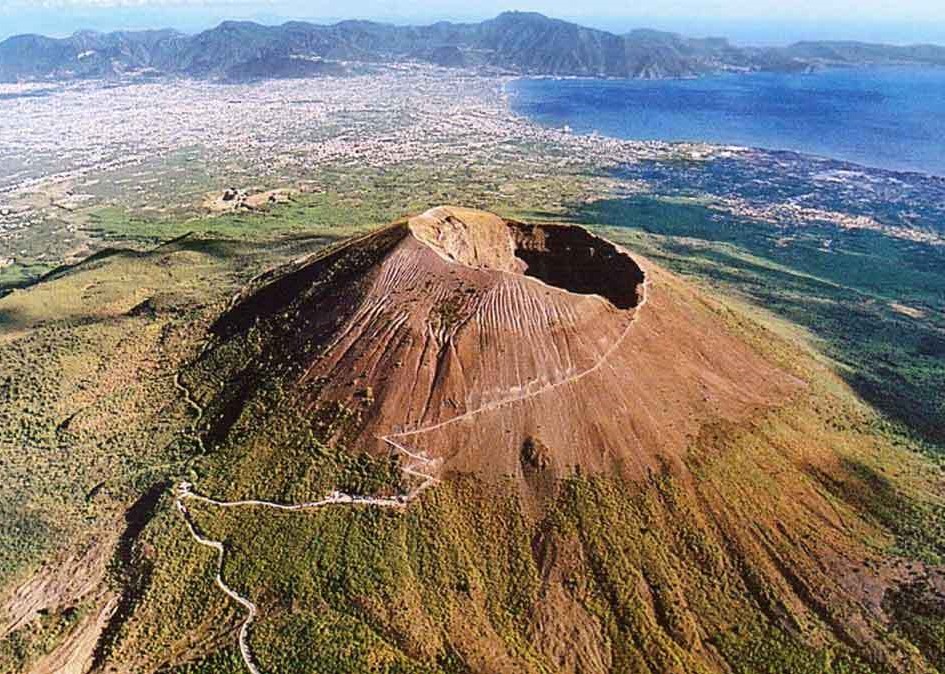
Goethe once said once you’ve seen Naples you can die. Whether or not this is true is, of course, debatable, but what is certain is that one can’t appreciate the unique characteristics of the city or its people without taking into account that they live in the shadow of a mighty volcano.
Mount Vesuvius, destroyer of Pompeii, is still active today and the Vesuvius National Park was created in part to safeguard this famous volcano. The park is also committed to promote scientific research and environmental education in this area, which is so rich in historical and geological interest. The territory of the national park has a unique natural and historical importance and produces agriculture unlike any other part of Italy.
SOURCE: https://www.lifeinitaly.com
You may be interested
-
Arnaldo Trabucco, celebrated medical practit...
Arnaldo Trabucco, MD, FACS is a leading urologist who received his medical training at ins...
-
Musement, the Italian App to travel “as you...
by Claudia Astarita Musement – the Italian innovative online platform – has launc...
-
'A piece of flying Italy around the world': T...
Ciao ciao, Alitalia. Italy's storied flag carrier has announced it will no longer issue ti...
-
'A summer without travel': How long will Ital...
As the Italian government prepares to bring in “phase two” of the national lockdown measur...
-
'A Ziarella va in America: tournèe in Arizona...
‘A Ziarella va in America. Non è un titolo da film, ma una piacevole realtà. Il...
-
'Basilica of Mysteries' reborn in Rome
The so-called 'Basilica of the Mysteries' has been reborn in Rome. The basilica, one of th...
-
'Beautiful' Italian lake hides a 'mysterious'...
Water can hide all kinds of secrets. But while shipwrecks and sea creatures might be expec...
-
'Dragon Bones' of Santa Maria e San Donato
The Basilica of Santa Maria e San Donato dates to the seventh century, back when the islan...