



Oct 28, 2022
363
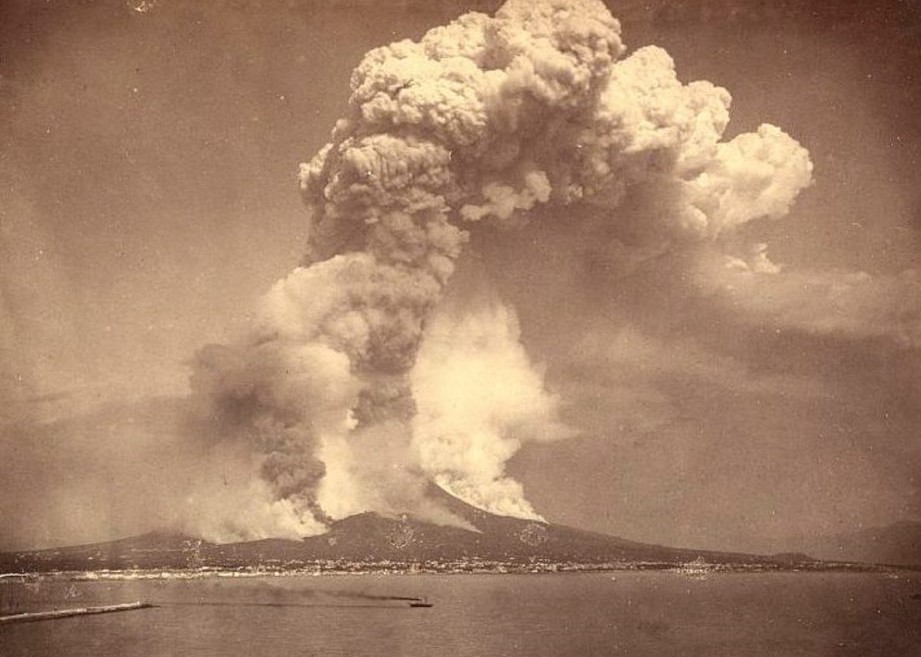
Volcanic eruptions evoke images of lava, fire, and destruction; however, this is not always the case. The Plinian eruption of Mount Vesuvius around 4,000 years ago – 2,000 years before the one that buried the Roman city of Pompeii— left a remarkably intact glimpse into Early Bronze Age village life in the Campania region of Southern Italy.
The village of Afragola was situated near present-day Naples, about 10 miles from Mount Vesuvius. Following the eruption, the village was encased in meters of ash, mud, and alluvial sediments, which lent a surprising degree of protection to the site, a rarity for archaeological sites from this era in Europe. Owing to the level of preservation and the diversity of preserved plants at the site, researchers were interested to see if they could pinpoint the time of year when the eruption occurred.
SOURCE: https://today.uconn.edu
You may be interested
-
'A Ziarella va in America: tournèe in Arizona...
‘A Ziarella va in America. Non è un titolo da film, ma una piacevole realtà. Il...
-
'I'm an Italian travel expert - this spot by...
Italy is renowned for its natural beauty but it's also well-known for its heaving tourist...
-
'Iitalian american songbook', il progetto del...
"ITALIAN AMERICAN SONGBOOK", questo il titolo del progetto che ultimamente il pianista d'o...
-
'Lost Child' Wraps Up Ferrante's Neapolitan S...
by Maureen Corrigan If you don't know Elena Ferrante — and judging by conversat...
-
'Lush' Italian island that's cheaper than Cap...
With Valentine's Day on the horizon now is the perfect time to get cracking on booking you...
-
'My dad went to Amalfi...and all I got was a...
by Hunter Davis 'You went to one of the best hotels in the world, in one of the s...
-
'Napoli Napoli' exhibit lets visitors dip int...
The harmony and the refined nature of the ceramics of the Capodimonte Museum alongside San...
-
'Nativity-like scene statues' are unearthed i...
Archaeologists have unearthed 'Nativity-like scene statues' in the ancient ruins of the Ro...