



Nov 19, 2021
640
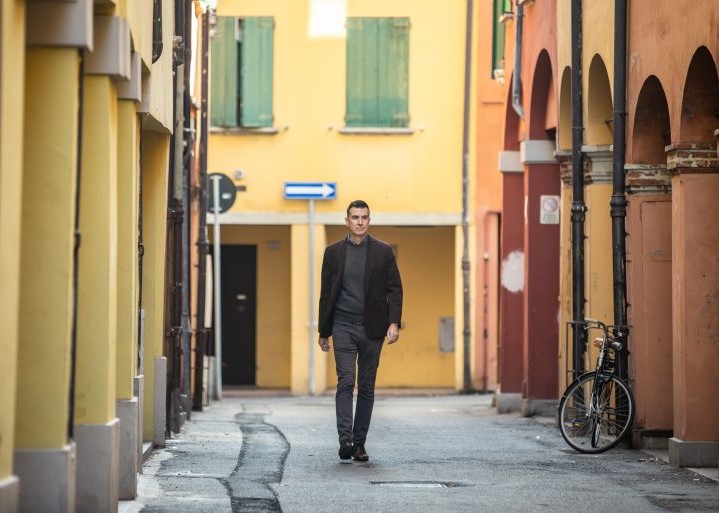
In terms of sheer scale, Bologna’s porticoes are unique. Dating from 1100, they were originally constructed to help accommodate scholars pouring into Europe’s first university as landlords built additional rooms over public land. In 1288 they were established by a municipal bylaw, which not only ruled that all new buildings had to be built with a portico, but existing ones had to add them.
This policy continued through the Renaissance up to the present day, with the city – which boasts the second largest historical centre in Europe after Venice – displaying a stunning range of porticoes, from those along the main thoroughfares constructed according to the regulation that they should be high enough to accommodate a horse and its mount, to the humble, low slung dwellings you can imagine unscrupulous medieval landlords packing students into (in fact, because each property owns the space outside, they would on occasion even partition off the area outside the house and the poorest students would bed down upon the pavement).
SOURCE: https://italicsmag.com
You may be interested
-
A Week in Emilia Romagna: An Italian Atmosp...
The Wine Consortium of Romagna, together with Consulate General of Italy in Boston, the Ho...
-
Arnaldo Trabucco, celebrated medical practit...
Arnaldo Trabucco, MD, FACS is a leading urologist who received his medical training at ins...
-
Emanuele: cervello d'Italia al Mit di Boston
Si chiama Emanuele Ceccarelli lo studente del liceo Galvani di Bologna unico italiano amme...
-
Musement, the Italian App to travel “as you...
by Claudia Astarita Musement – the Italian innovative online platform – has launc...
-
'A piece of flying Italy around the world': T...
Ciao ciao, Alitalia. Italy's storied flag carrier has announced it will no longer issue ti...
-
'A summer without travel': How long will Ital...
As the Italian government prepares to bring in “phase two” of the national lockdown measur...
-
'Basilica of Mysteries' reborn in Rome
The so-called 'Basilica of the Mysteries' has been reborn in Rome. The basilica, one of th...
-
'Beautiful' Italian lake hides a 'mysterious'...
Water can hide all kinds of secrets. But while shipwrecks and sea creatures might be expec...