



Jul 15, 2019
594
BY: Dale Robertson
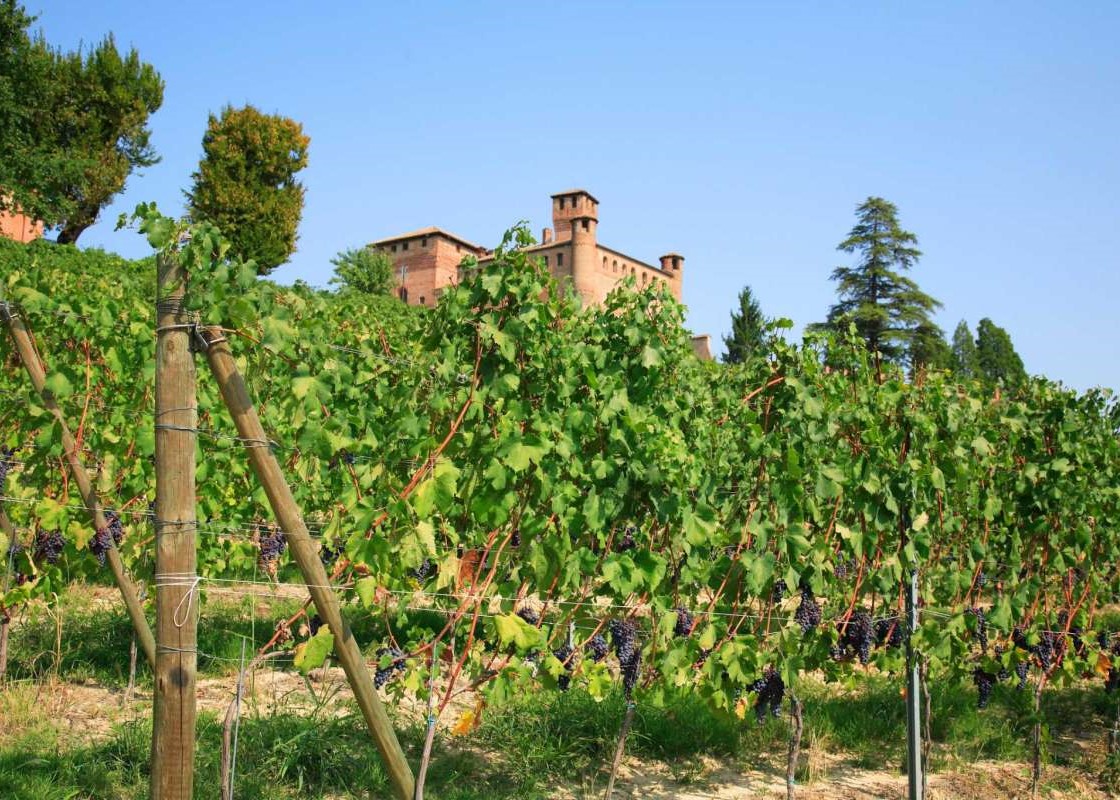
Not so long ago, as in well less than a century ago, grape growers in the Piemonte in northwest Italy were mostly subsistence farmers, scratching out a living selling their fruit in bulk to cooperatives. Then, World War II made a mess of the region’s economy — its industrial center, Turin, was badly bombed — and the world’s wine consumption, outside France and Italy at least, was minuscule compared to what it is today. You couldn’t have found one American in a hundred, or probably a thousand, who had ever heard of Barolo or Barbaresco.
But those vineyards in the vertiginous rolling hills of the Langhe, south of Turin, had an inherent value their owners couldn’t have imagined back in the day. Once global wine culture began to evolve, starting in the mid-1980s, and cellar practices followed suit, the nebbiolo grape took its rightful place on everybody’s short list of top-drawer varietals.
SOURCE: https://www.houstonchronicle.com/
You may be interested
-
A Week in Emilia Romagna: An Italian Atmosp...
The Wine Consortium of Romagna, together with Consulate General of Italy in Boston, the Ho...
-
Cooking With Italian Red Wine
Wine has a long, rich history as a cooking liquid. One of the early "cookbooks," compiled...
-
Italian auto supplier Brembo to build new U....
Italian brakes maker Brembo will build a new foundry in Michigan to expand its manufacturi...
-
L'Arte del Gioiello Italiano - Lecture and T...
How has Italy influenced the world of Jewelry? Join us for a special lecture on the a...
-
Raffaldini Vineyards' 10th Annual Festa Ital...
Saturday September 19, 11 AM/5 PM - Raffaldini Vineyards & Winery - 450 Groc...
-
Sons of Italy Wine Tasting Series
Saturday, August 1 - 12.30 EDT / Valenzano Winery - 1090 Route 206, Shamong, New...
-
Wonderful Italian Wine for Summertime 6/26 N...
The President of the Italian Wine & Food Institute cordially invite you to celebrate:...
-
'A small New York': Palm Beach to become home...
Miami-born and Italy-raised, jewelry designer and accomplished equestrian Lucrezia Buccell...