



Dec 25, 2023
1235
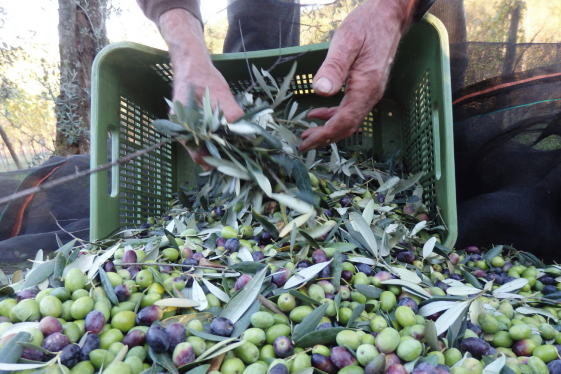
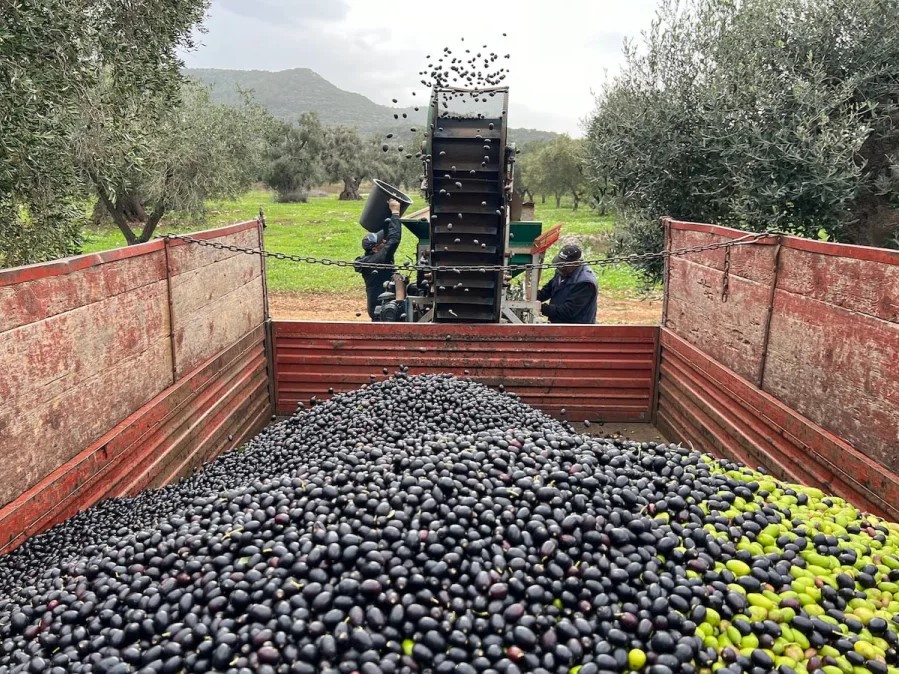
On a warm, blustery December afternoon outside the De Laurentis olive oil-producing co-op in the white hilltop town of Ostuni, Puglia, Luigi D'Amico holds out his palm, revealing an olive picked earlier in the day. Instead of resembling the plump, gleaming green and black fruit overflowing in bins around him, this one is half-consumed, dry and shrunken.
"That's what the olive fly does," he explained. "It lays its larvae, which then devours the olive." D'Amico lists off other pests and fungi — olive leprosy, peacock's eye fungus, the Margaronia moth — all spreading, he says, with the aid of the warm scirocco wind that didn't use to blow here in December, but with climate change, now does. "We need cold weather to kill off pests," he said. "And temperatures are rising."
SOURCE: https://ca.news.yahoo.com
You may be interested
-
‘Nonna Caterina was right’: olive oil wastewa...
Olive oil – described as “liquid gold” in Homer’s Iliad – is renowned for its health benef...
-
"Already at 7 years old, I worked in the fami...
The story of Paolo Cassini's company, which bears his name, is a tale of dedication, roman...
-
"Parlo di olio per insegnare agli americani"
Signora Segan, lei è una storica del cibo e ha da poco tenuto a New York un incontro dedic...
-
"Revoilution", una giovane start up inventa i...
Produrre olio extravergine di oliva a casa, come se si stesse preparando il caffè, non è u...
-
10 Italian luxury food that you should taste...
What is it about Italian food that makes people so thrilled? Here are ten — luxurious — re...
-
100-year-old Florida woman: My secret to look...
by Kathy Salvati Lena Fertitta, of Panama City in Florida, celebrated her 100th b...
-
14 Must Try, Iconic Eating & Drinking Experie...
We don’t need to tell you that Italian cuisine is so much more than just pizza and pasta....
-
2018 food trends put Italian taste in the spo...
The Extraordinary Italian Taste made its way to San Francisco kicking off a year that sees...