



Sep 09, 2019
1809
BY: Kristine Jannuzzi
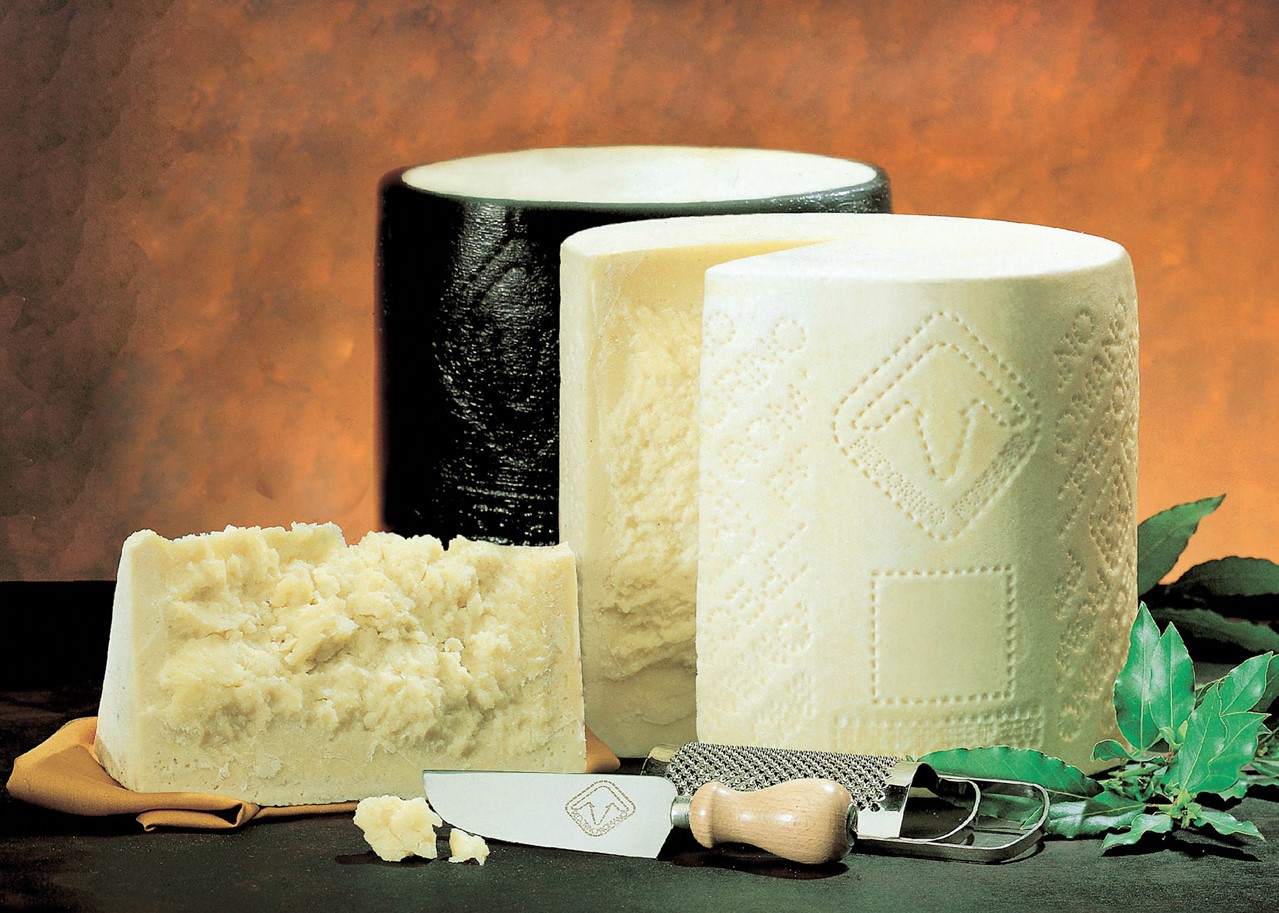
Millennia before cacio e pepe became one of the Eternal City’s trendiest pasta dishes and a social media sensation, its starring ingredient graced the tables of Roman emperors. Cacio refers to Pecorino Romano in Roman dialect, and its origins go back to the aged sheep’s milk cheese that was prized by the ancient Romans.
They depended on it as an important source of nourishment for legionnaires—its nutritional value and ability to endure on extended marches made it an ideal food for the soldiers, who were allotted a daily ration of 27 grams. Pecorino Romano today is still made from rich sheep’s milk (pecorino comes from the Italian word for sheep, pecora) and the cheesemaking process closely follows the traditions of the ancient Romans. But most of it is now produced on the island of Sardinia, rather than in the countryside around Rome and Lazio. So why the shift?
SOURCE: https://www.italymagazine.com
You may be interested
-
‘Fuggedaboudit’ the motto of new Italian del...
By Kimberly Sutton Love is what brought Tony Nicoletta to Texas from New York.The transpl...
-
1st Annual Little Italy Cannoli Tournament
Little Italy San Jose will be hosting a single elimination Cannoli tournament to coincide...
-
A Week in Emilia Romagna: An Italian Atmosp...
The Wine Consortium of Romagna, together with Consulate General of Italy in Boston, the Ho...
-
An Italian American Feast For Family Reunion...
Hey, come over here, kid, learn something. ... You see, you start out with a little bit of...
-
Buon Appetito! Unique Italian dining at Ragú...
There's something to be said for having your food prepared tableside. Guacamole tastes fre...
-
Chef Carmelo Mauro to host Beni Batasiolo Wi...
Fiorenzo Dogliani, owner of Beni di Batasiolo, will join Carmelo Mauro for an exclusive wi...
-
D'Amico's Italian Market Café expanding to K...
The popular D'Amico's Italian Market Café, a 16-year-old mainstay of Rice Village, is head...