



Jun 08, 2022
1367
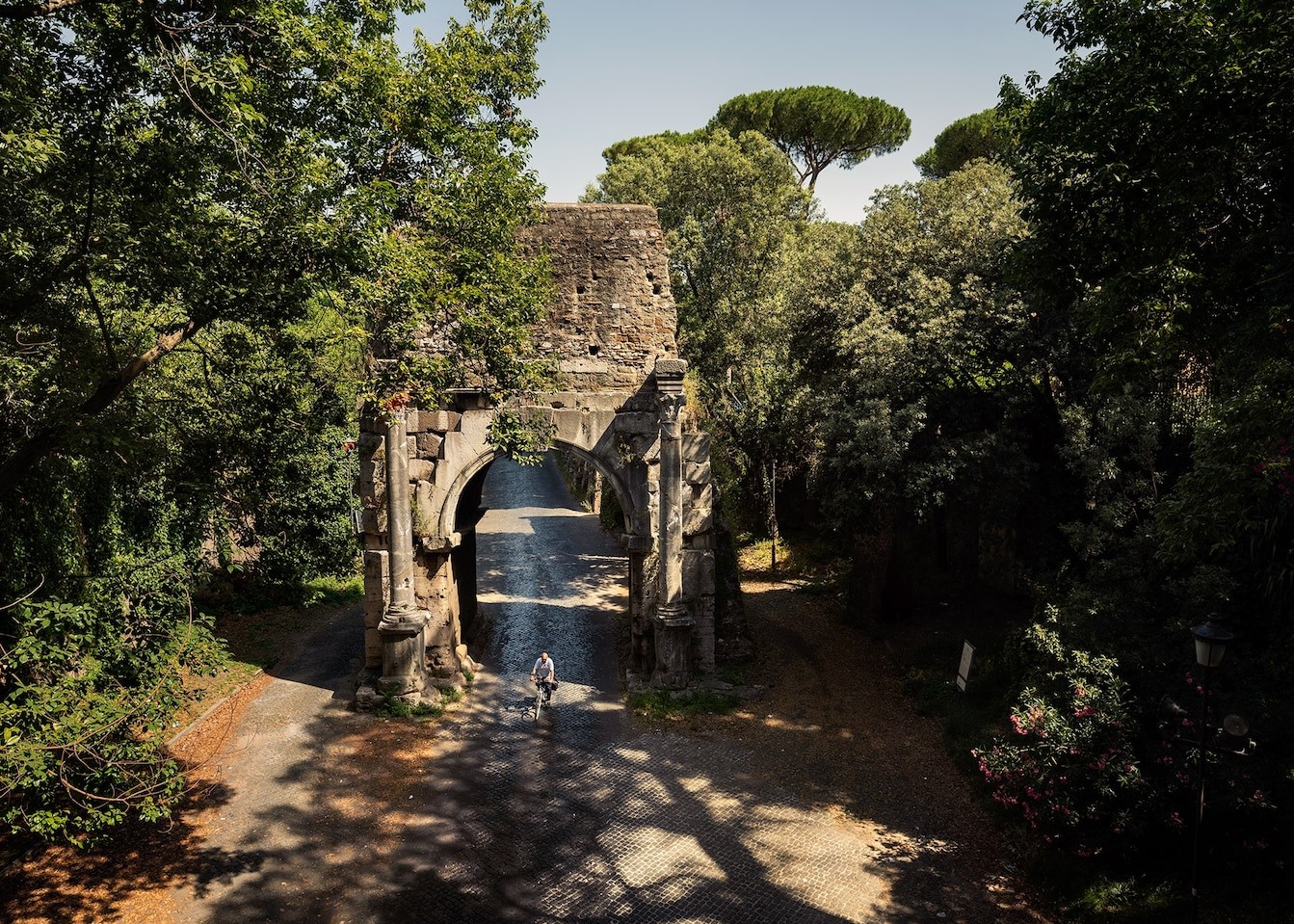
There’s a McDonald’s on the outskirts of Rome where, after ordering a pancetta-laden Big Mac, you can peer through the glass floor and see—a few yards below—flat, gray paving stones of an ancient Roman road and twisted skeletons embedded in a two-millennia-old gutter.
These are remnants of an offshoot of Europe’s first major highway, the Appian Way. The route, begun in 312 B.C., meanders out of the city and across Italy’s southern regions until it reaches the eastern port city of Brindisi. It helped inspire the saying “All roads lead to Rome,” and in Italy it is still called Regina Viarum—the Queen of Roads. But its legacy has been largely neglected, buried with its stones under millennia of history.
SOURCE: https://www.nationalgeographic.com
You may be interested
-
Arnaldo Trabucco, celebrated medical practit...
Arnaldo Trabucco, MD, FACS is a leading urologist who received his medical training at ins...
-
Exciting Palatine. Interview with Clementina...
You can tell she fills with excitement when she has the chance to show an important archae...
-
Italian Open's History and Records: A tale o...
For Italians, and Romans in particular, the Open is not just a tennis tournament where cha...
-
Musement, the Italian App to travel “as you...
by Claudia Astarita Musement – the Italian innovative online platform – has launc...
-
'A piece of flying Italy around the world': T...
Ciao ciao, Alitalia. Italy's storied flag carrier has announced it will no longer issue ti...
-
'A summer without travel': How long will Ital...
As the Italian government prepares to bring in “phase two” of the national lockdown measur...
-
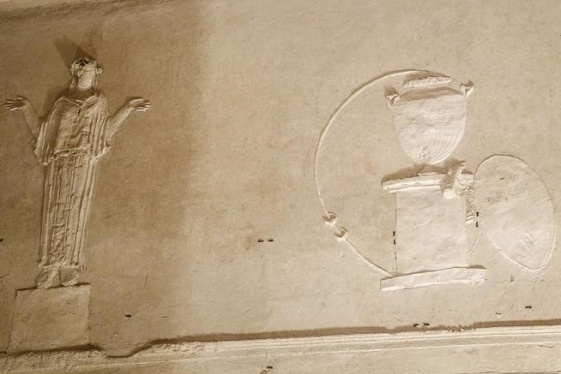
'Basilica of Mysteries' reborn in Rome
The so-called 'Basilica of the Mysteries' has been reborn in Rome. The basilica, one of th...