




Mar 18, 2019
866
BY: Karl Smalley
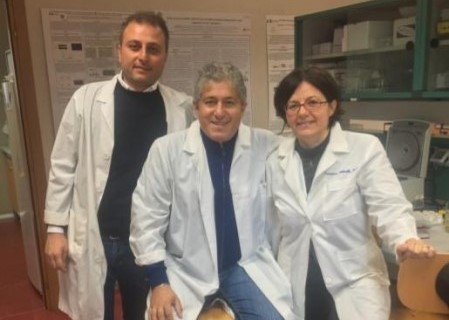
Researchers used a synthetic DNA structure to mimic an intermediate of homologous recombination, the most reliable cell cycle process to repair DNA correctly. This DNA structure was then used as bait to capture nuclear proteins in the hopes of identifying a new player in the cellular response to DNA damage.
These proteins were isolated and subsequently identified through mass spectrometry, revealing that the Heterogeneous Nuclear Ribonucleoprotein D (HNRNPD) was indeed able to bind chromatin DNA, a prerequisite for a protein involved in DNA repair, and to re-localize specifically onto DNA damaged sites.
SOURCE: https://shrodotorg.wordpress.com
You may be interested
-
'Phantom Limb': A Conversation With Dennis...
Dennis Palumbo is a thriller writer and psychotherapist in private practice. He's the auth...
-
Arnaldo Trabucco, celebrated medical practit...
Arnaldo Trabucco, MD, FACS is a leading urologist who received his medical training at ins...
-
Exciting Palatine. Interview with Clementina...
You can tell she fills with excitement when she has the chance to show an important archae...
-
ISSNAF medical imaging science chapter meeti...
AGENDA 12.00 – 12.15 Light lunch12.15 – 12.30Welcome addresses Lorenzo Mannelli, MD, PhD...
-
Italy, the importance of innovation for agri...
by Claudia Astarita The food farming sector is still one of the engines of Italia...
-
'Extinct' volcano near Rome is waking up and...
A volcano near Rome thought to be extinct appears to be waking up and entering a new erupt...
-
'Lovers of Modena' skeletons holding hands we...
The “Lovers of Modena”, a pair of skeletons so called because they were buried hand-in-han...
-
'The Precise Image of What Jesus Looked Like'...
One of the most-well known relics in archeological history is leading researchers to belie...