




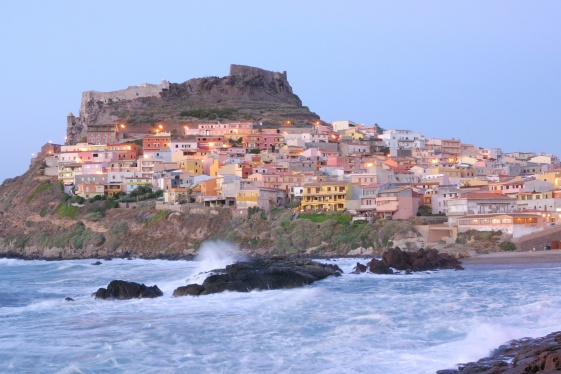
Italian Little Italies: Castelsardo, A Fortress on the Sea
Perched on a large promontory facing the sea, Castelsardo with its Citadel, o Casteddu quarter - the maze of twisted narrow streets in the old town - offers an enchanting vision. In fact just about anywhere you look, from whatever perspective - with the exception of the view of the modern quarter of Pianedda and the seaside area by the Marine - the...
READ MORE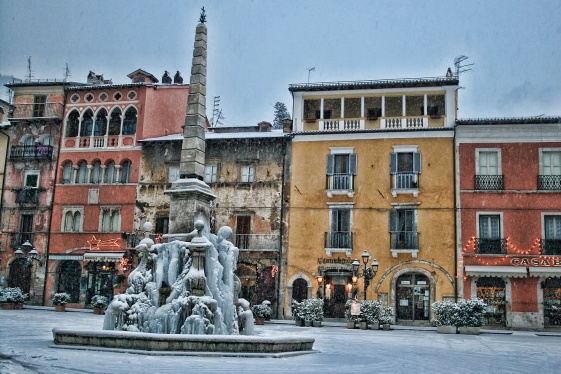
Italian Little Italies: Tagliacozzo, The ancient capital of Marsica
On the northern slopes of the Simbruini mountains, not away from the border of Lazio, Tagliacozzo is an historical centre whose walls erected in 1410 counted five doors and whose defence was submitted to a castle, in total ruin today. The best interesting part is the one meeting over the Roman arc toward the inside.
READ MORE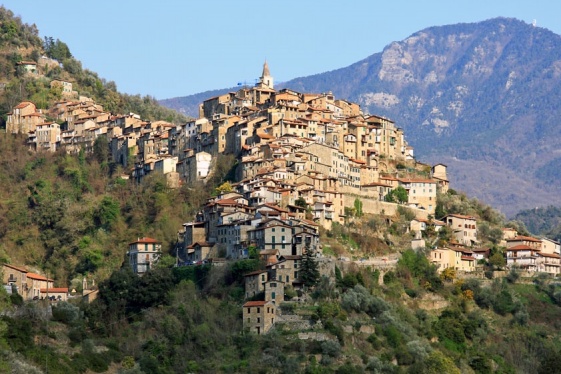
Italian Little Italies: Apricale, the Kiss of Stone and Sun
Apricale is unique. Picturesquely arranged around the small square, it has a stepped appearance, with the old stone buildings rising on several levels: thus it happens that the entrance is at the top floor, and you need to go down the stairs to get to the rest of the house.
READ MORE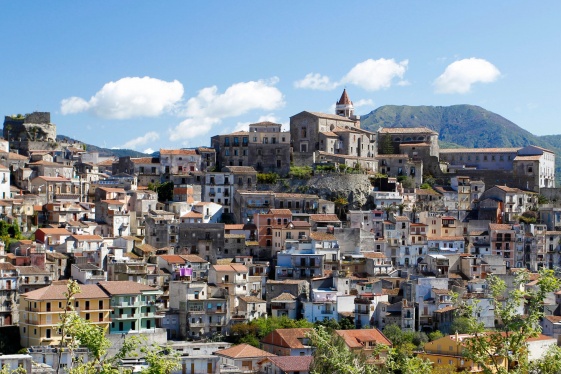
Italian little italies: Castiglione di Sicilia, Among the Alcantara and the Mount Etna
Castiglione stands on a rise overlooking the southern shore of the Alcantara river, with houses set on a steep slope; the locations of the civil and religious power are both on the highest point of the hill.
READ MORE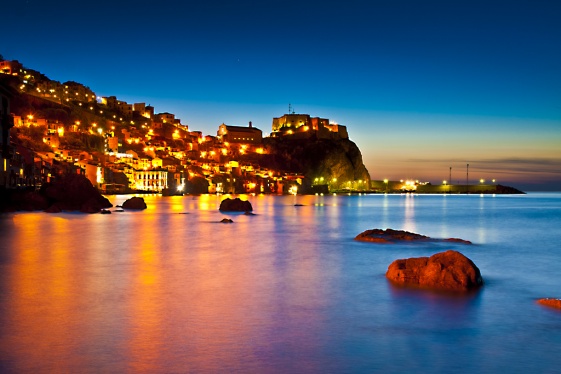
Italian little italies: Chianalea di Scilla, Calabria
The oldest district of Scilla is Chianalea, which takes its name from “piano della galea” (galley deck), but it is also called Acquagrande or Canalea, because the little houses built directly on the rocks are separated one from the other by small alleys, like channels, which descend directly into the Tyrrhenian Sea.
READ MORE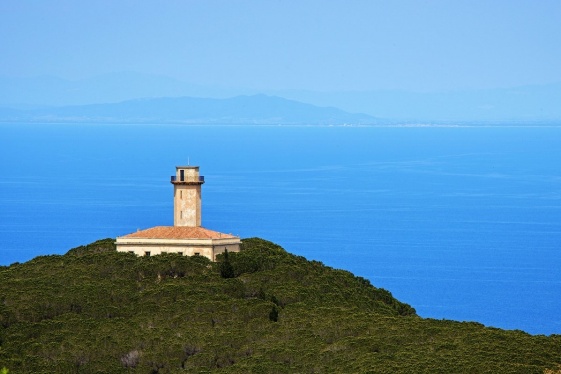
Italian little italies: Giglio Castello, Toscana
The name does not derive from the beautiful fragrant flower (lily) but from the Greek word igilio (goat) that in Latin is Gilium. In fact, on this island, as well as on the others of the Tuscany archipelago, many wild goats still exist on Montecristo Island. Giglio Castello, that still preserves the walls that originated its name, was once called “...
READ MORE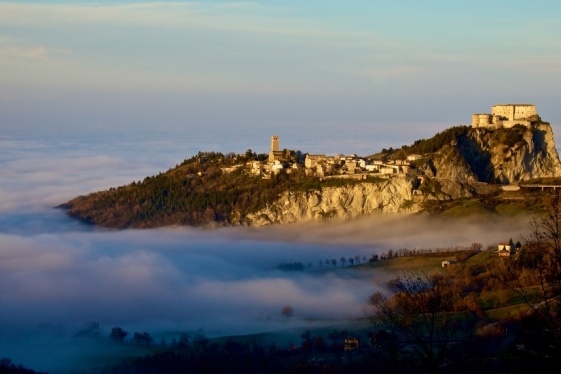
Italian little italies: San Leo, Emilia Romagna
San Leone, together with San Marino, came here from the coast of Dalmazia to evangelize this area, the name of the village is a tribute to San Leone. The fortress of San Leo (nearly 600 feet high) overlooks the surrounding valley with the Marecchia river and a landscape of woods, between the rocks and the sea. The village is surrounded by a relaxin...
READ MORE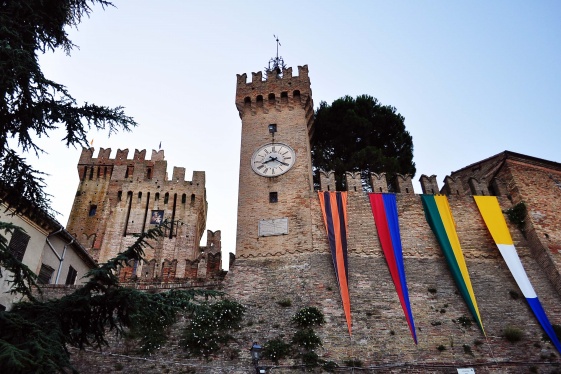
Italian Little Italies: Offagna, Marche
The toponym should come from, for lexical corruption, the Massa Afraniana, a roman latifundium which belonged to the gens Afrania, an important family that had possessions in the territory.
READ MORE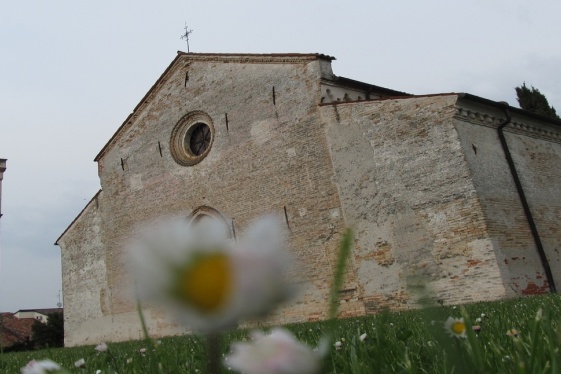
Italian Little Italies: Cordovado, In the quiet countryside of the Friuli region
The actual fortified area of Cordovado, also known as ''The Castle'' (11th century) is the result of centuries of modifications. The modifications involved castle's walls, towers, moats and drawbridges. The medieval village is in the area of The Castle. There are some interesting buildings : beautiful dwellings (Palazzo Ridolfi, Palazzo Bozza Marru...
READ MORE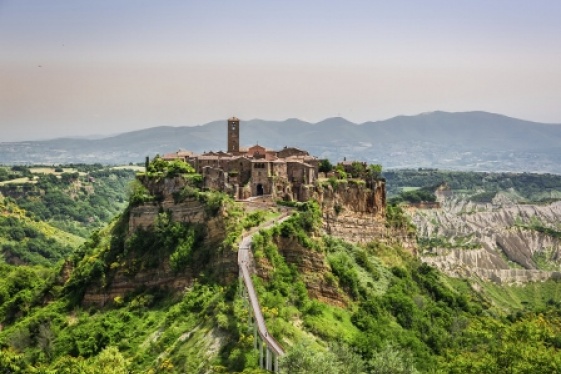
Italian Little Italies: Civita di Bagnoregio, the dying town
WTI Magazine #78 2016 April 15Author : I borghi più belli d'Italia Translation by: The tuffaceous hill upon which Civita stands is undermined by the continuous erosion caused by two streams flowing in the valleys below and by the action of rain and wind: thus it is crumbling away, slowly but inexorably. The village, in which only a f...
READ MORE