




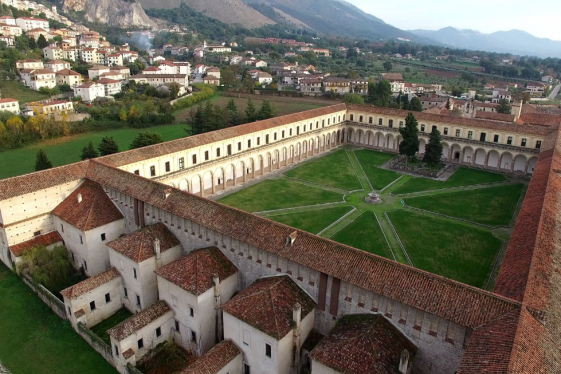
Unesco Campania: the Cilento National Park and the Certosa di Padula
The Cilento National Park is an immense cultural, historical and environmental complex. It hosts so many treasures we decided to create an entire section of our Unesco Campania feature to describe its wonders. We dedicated the first article to the ghost town of Roscigno, which hides an incredible story. In addition to the picturesque village, you w...
READ MORE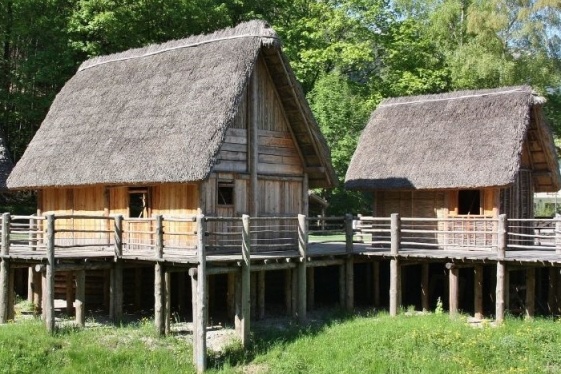
Prehistoric Pile Dwellings around the Alps: UNESCO heritage since 2011
The Pile Dwellings around the Alps represent the remains of prehistoric human settlements in the Alpine and subalpine regions. It is a trans-European site covering an extensive area of six countries. These extraordinary ancient remains are located in Italy, Austria, France, Germany, Slovenia and Switzerland. A total of 111 sites attest to settlemen...
READ MORE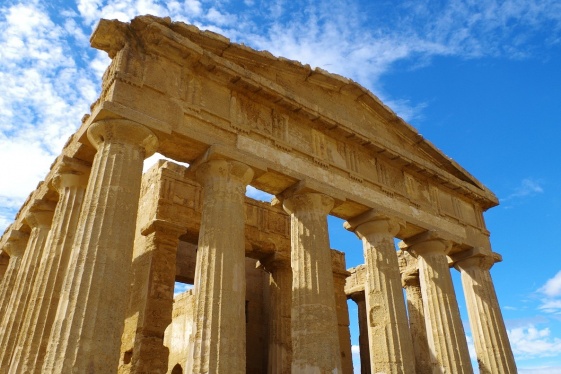
Unesco Sicily: the World Heritage Sites of the island
The cities, the archipelagos, the volcanoes and the monuments of the island have been inserted in the World Heritage UNESCO as testimony of the artistic and natural beauties of Sicily. From natural beauties to spectacular monuments, from archaeological areas to picturesque old towns, Sicily has many reasons to be defined as a World Heritage Site an...
READ MORE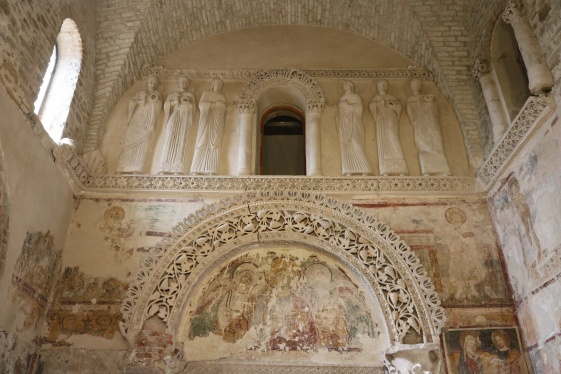
The Longobards in Italy: UNESCO World Heritage
In 2011 the most significant examples of Longobard architecture and art were included in the UNESCO World Heritage list. They constitute a complex of 7 sites spread throughout Italy from north to south. The inclusion took place on the basis of criteria II, III and IV, that is to say, the evidence they offer of the art developed in Italy between the...
READ MORE
Unesco: the Dolomites, Unesco World Heritage Site
The Dolomites are undoubtedly one of the most spectacular naturalistic places you can visit in Italy. They are located in Veneto, Friuli Venezia Giulia and Trentino Alto Adige. This Italian location represents an exceptional place both from a geological-naturalistic point of view and a touristic one, thanks to essential ski resorts and towns that l...
READ MORE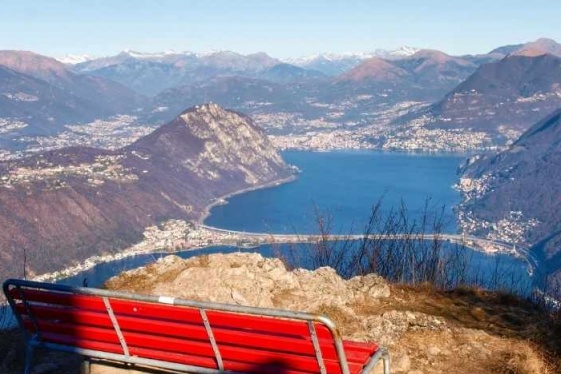
Monte San Giorgio: UNESCO World Heritage Site since 2010
Get ready to discover an ancient and exciting place that will make you feel like a child in a short time. You will go on an adventure searching for dinosaur fossils, discover paths, lagoons from the Tarsus era, magmatic rocks, limestone quarries and abandoned mines. This article will tell you the story of Monte San Giorgio, how it became a UNESCO W...
READ MORE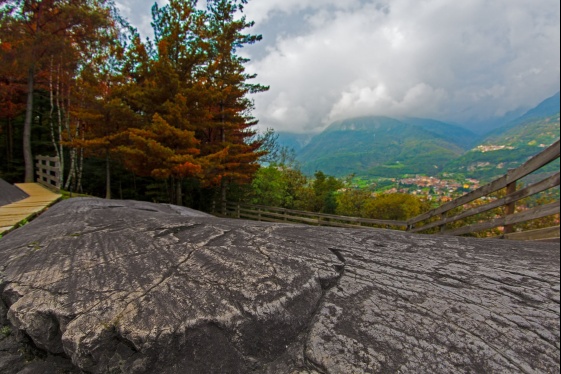
Valcamonica, where 8000 years of art meet breathtaking sceneries
The name Valcamonica derives from the pre-Indoeuropean people named Camunni, who were conquered by Rome in 16 BC. Today it indicates the narrow, north/south trending valley in the Lombardy Alps, bounded on the south by Lago d’Iseo and cut in all its length by the river Oglio. This area not only boasts one of the world’s richest collections of prehi...
READ MORE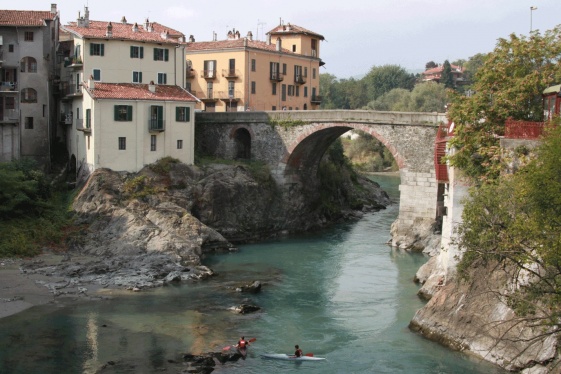
Olivetti’s industrial city of Ivrea, UNESCO Wold Heritage Site since 2018
Refined and secluded, this small Piemonte town, intimate but full of character, has all the credentials to become the destination of your next trip. Its name is linked to the profitable legacy of Olivetti, thanks to which it is now a UNESCO site of extraordinary value. What to see in Ivrea? Here are a few tips. Why Ivrea is a UNESCO world heritage...
READ MORE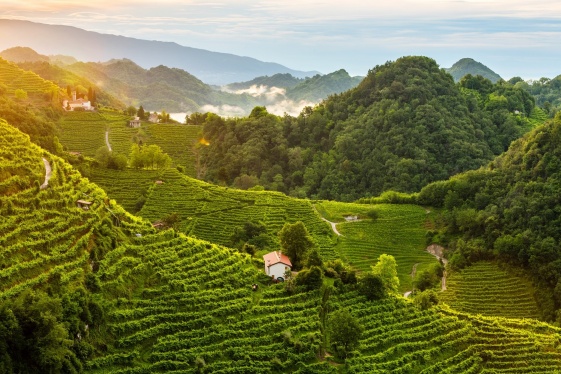
The Prosecco Hills of Conegliano and Valdobbiadene: UNESCO World Heritage Site since 2019
In 2019, the site Le Colline del Prosecco di Conegliano Valdobbiadene, located in north-eastern Italy, was inscribed on the UNESCO’s World Heritage List, becoming the 55th Italian site on the list. By virtue of the cohesiveness and the dedication of the different territorial actors, the aim was achieved after a nomination process that lasted ten ye...
READ MORE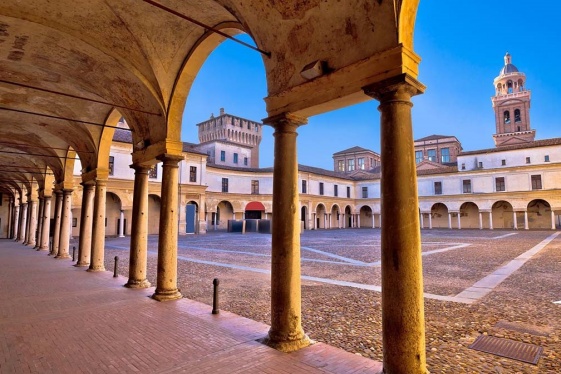
Mantua and Sabbioneta: UNESCO heritage to unveil from 2008
In 2008, Mantua and Sabbioneta were listed by UNESCO in the World Heritage List: Sabbioneta represents the concept of an ideal city built according to the Renaissance theories, while Mantua is the perfect expression of the transformation of a city according to similar canons. This corner of Lombardy is rich in history and art, thanks to effort of t...
READ MORE