




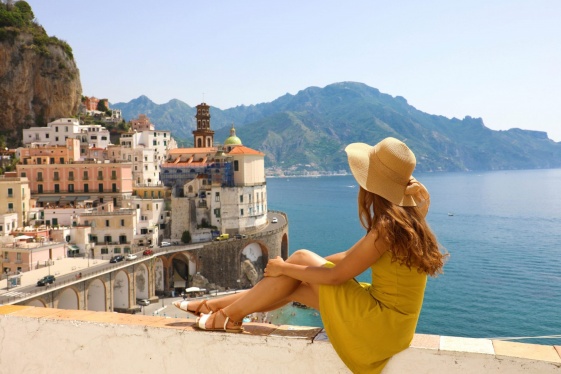
Atrani, the smallest Village in Italy
Have you ever heard of Atrani? Well, if you haven’t, you are in for a pleasant surprise. Located a mere 1/2 mile from Amalfi (I am sure you are familiar with this one!), Atrani is one of Italy’s Borghi più Belli d’Italia and, in name of its characteristic medieval architecture, is also part of the UNESCO World Heritage List, along with other site...
READ MORE
Italian espresso is candidate to become UNESCO heritage
Italian espresso coffee is worth about 5 billion euros. Manufacturing companies employ almost 10 thousand workers, and 3 billion cups are consumed every day. This Italian excellence is now a candidate for UNESCO heritage status. The Italian Minister of Agriculture, Stefano Patuanelli, has announced the presentation of the candidatures of the “Rite...
READ MORE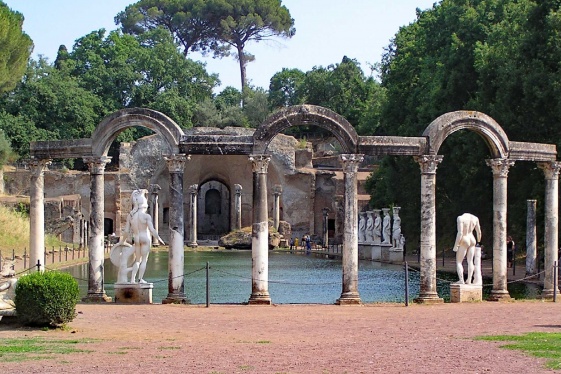
Villa Adriana in Tivoli, World Unesco Heritage Site from 1999 not far from Rome
Listed as a UNESCO World Heritage Site in 1999, Villa Adriana (Hadrian's Villa) stands in the municipality of Tivoli in the Province of Rome between the slopes of the Tiburtini Mountains and the Roman countryside. As its name suggests, it was the suburban residence of Emperor Hadrian, who chose the green and water-rich territory of ancient Tibur. T...
READ MORE
The Mediterranean Diet: Intangible Cultural Heritage
On the 16th of November 2010 in Nairobi in Kenya, the Intergovernmental Committee of the UNESCO Intangible Cultural Heritage Convention approves the Mediterranean Diet's inscription on the List of Intangible Cultural Heritage. But what's behind it? We will discover that the Mediterranean diet is not just a simple list of elements or nutrition facts...
READ MORE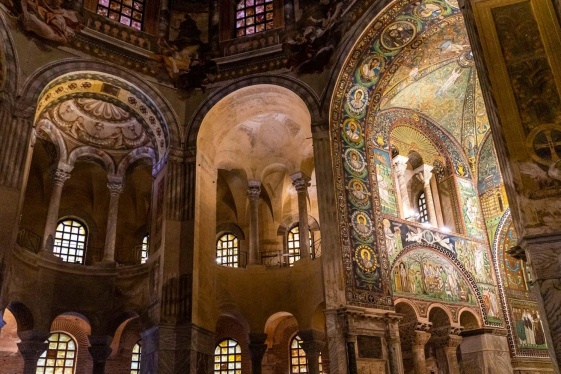
Exploring Emilia-Romagna's heritage from Rome
They say that all roads to lead to Rome. And, as it turns out, one of the best roads is also close to Rome. I’m talking about the Via Emilia, the extraordinary ancient route that ran in almost a straight line from the coast to northern Italy, from modern-day Rimini to Piacenza. Not only did countless travellers walk along its gravel path, but they...
READ MORE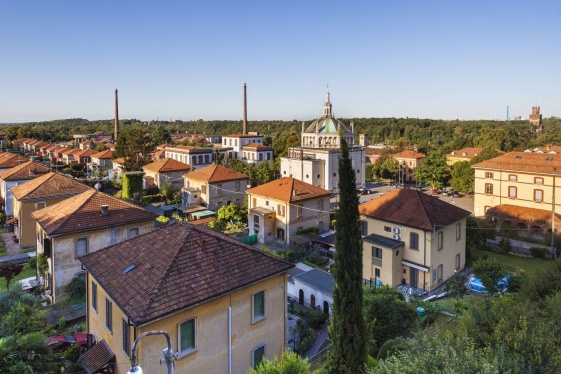
The village of Crespi d'Adda, UNESCO World Heritage Site since 1995
The village of Crespi d'Adda, a UNESCO World Heritage Site since 1995, is an important example of industrial archaeology. It is a real village with its factories, houses, schools and churches; an expression of the enlightened philosophy of European and American industrialists of the early 20th century towards their workers. Crespi d'Adda is located...
READ MORE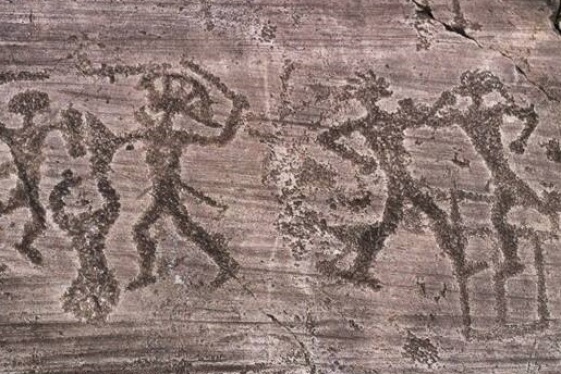
Rock Drawings in Valcamonica, in Lombardy the first Italian Unesco World Heritage Site
In Val Camonica, you discover that art was born first. Since the beginning, this was an urgent need also for magical, religious and superstition reasons. If you visit these places, you are catapulted into a very ancient age, dating back to even before any complex civilization. Before the Greeks and Romans, before any ancient emperor, before Plato,...
READ MORE
Ferrara-Style Bread
A UNESCO World Heritage site, the city of Ferrara in Emilia Romagna is worth visiting for plenty of reasons – not least of which is its peculiarly shaped coppia ferrarese bread. Coppia (ciupeta in dialect) means "couple," and the bread is made by cutting two strips from the dough, which are then rolled between the palms of one's hands so that they'...
READ MORE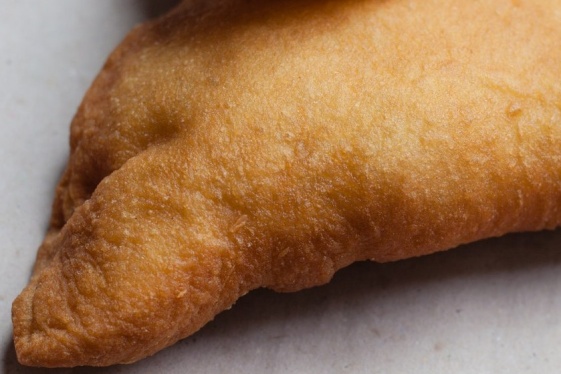
Naples and Its Cherished Fried Pizza
When most people think of Neapolitan pizza, the first to come to mind is the UNESCO-protected wood-fired pies with a raised cornicione (crust). Yet the pizza fritta (fried pizza) is one of the city’s most beloved street foods, and its humble origins make it even more meaningful. World War II Due to the devastation and poverty caused by War War II,...
READ MORE
Wonders of Italy: The Basilica of St. Francis in Assisi
One of the most important places of Christian pilgrimage in Italy, the Basilica of Saint Francis in Assisi is also a Unesco World Heritage site, welcoming visitors as a distinctive landmark as they approach the Umbrian town, birthplace of Francis. The basilica of Saint Francis was built starting from 1228, just two years after Francis’ death, as a...
READ MORE