




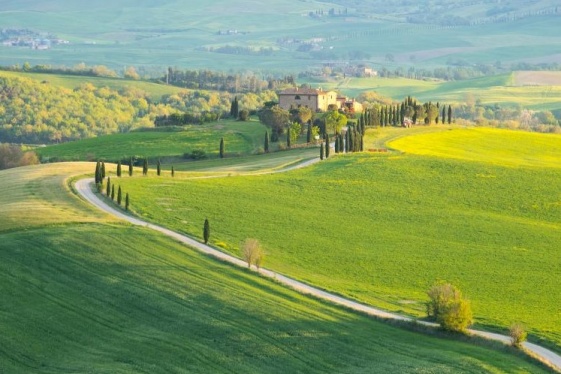
Unesco Sites of Italy: Val d’Orcia
Tuscany’s Val d’Orcia, inscribed by Unesco in its World Heritage list in 2004, encompasses the villages and surrounding agricultural and pastoral territories of Castiglione d'Orcia, Montalcino, Pienza, Radicofani, San Quirico d’Orcia, from the hills south of Siena to Monte Amiata, near the border with Umbria. Its hilly landscape dotted with cypress...
READ MORE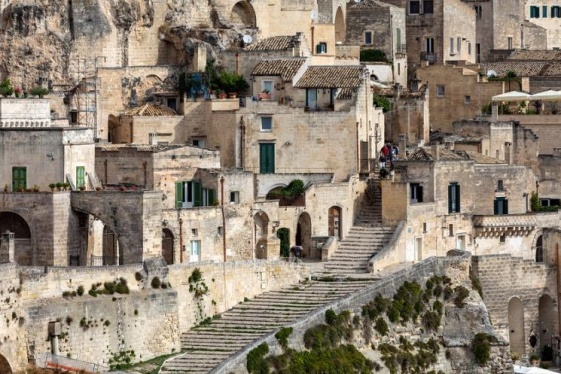
Unesco Sites of Italy: The Sassi and the Park of the Rupestrian Churches of Matera
Matera, in the southern Italian region of Basilicata, is, in the words of Unesco, which inscribed it in its World Heritage list in 1993, “the most outstanding, intact example of a troglodyte settlement in the Mediterranean region, perfectly adapted to its terrain and ecosystem.” The Sassi and the Park of the Rupestrian Churches of Matera contains a...
READ MORE
Unesco Sites of Italy: Historic Center of Siena
“Siena is the embodiment of a medieval city,” writes Unesco, which inscribed it into its World Heritage list in 1995. “The whole city of Siena, built around the Piazza del Campo, was devised as a work of art that blends into the surrounding landscape.” The buildings were designed to fit into the overall planned urban fabric and also to form a whole...
READ MORE
Unesco Sites of Italy: Archeological Area of Agrigento
The archaeological area of Agrigento, known as the ‘Valley of the Temples,’ is located along the southern coast of Sicily; a Unesco World Heritage site since 1997, it comprises the vast territory of the ancient polis (i.e. a city-state in ancient Greece), from the Rupe Atenea hill to the acropolis of the original ancient city, as well as the sacred...
READ MORE
Unesco Sites of Italy: Costiera Amalfitana
The Amalfi Coast is a marvelous example of a Mediterranean landscape with extraordinary natural and cultural value. Located along the Tyrrhenian coast of southern Italy, just south of Naples, it is an area of great natural beauty. It features steep cliffs and a jagged coast dotted with small beaches and pastel-colored fishing villages. The coastal...
READ MORE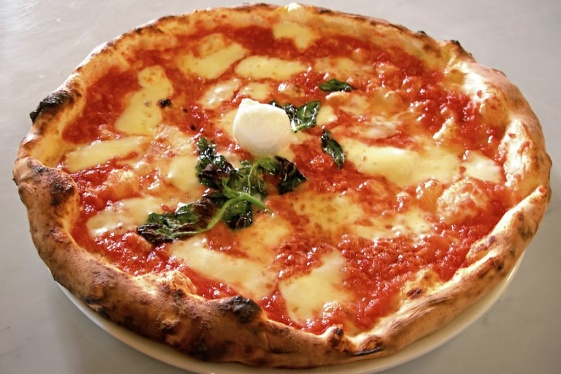
How to make pizza like a Neapolitan master
When you think of Italy’s most memorable dishes, its beloved pizza will most likely be among your top five, if not top three, favourites. It’s an ultimate comfort food that has become an ever-growing obsession around the world. But what is it that makes pizza from Italy so special, and where do you find the very best? Like so many of the country’s...
READ MORE
Memories of Italy: Basilica of Saint’ Apollinare in Classe
This unique Byzantine monument, Basilica of Sant’ Apollinare in Classe is not included in the standard tourist itinerary. When UNESCO inscribed eight Ravenna sites on the World Heritage List, it cited this basilica as “an outstanding example of the early Christian basilica in its purity and simplicity of its design and use of space and in the sumpt...
READ MORE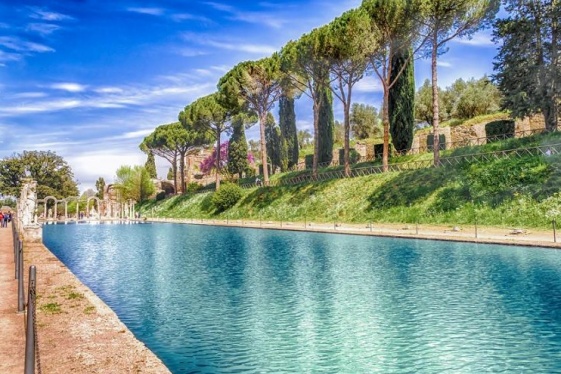
Unesco Sites of Italy: Hadrian’s Villa
“Villa Adriana is an exceptional architectural legacy of the great Roman Emperor Hadrian. Built as a retreat from Rome between 117 and 138 AD, the villa was designed as an ideal city and incorporates the architectural traditions of Ancient Greece, Rome and Egypt.” Thus Unesco introduces Hadrian’s Villa, a World Heritage site since 1999. The remai...
READ MORE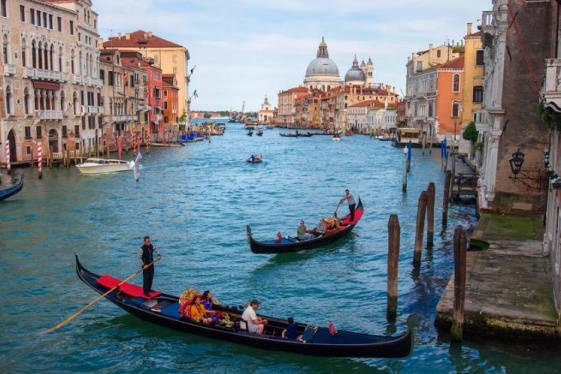
Unesco Sites of Italy: Venice and Its Lagoon
“Founded in the 5th century and spread over 118 small islands, Venice became a major maritime power in the 10th century. The whole city is an extraordinary architectural masterpiece in which even the smallest building contains works by some of the world's greatest artists such as Giorgione, Titian, Tintoretto, Veronese and others.” Thus writes Unes...
READ MORE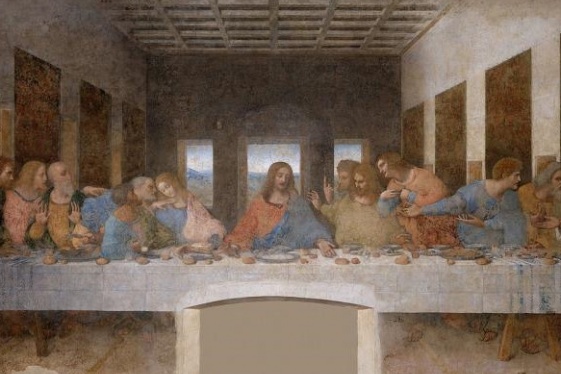
Unesco Sites of Italy: Church and Dominican Convent of Santa Maria delle Grazie
Santa Maria delle Grazie is a church and Dominican convent in Milan. The refectory of the convent contains the world-famous mural of The Last Supper by Leonardo da Vinci, “whose work was to herald a new era in the history of art,” says Unesco. The refectory is an integral part of the architectural complex of Santa Maria delle Grazie, completed at t...
READ MORE