





Unesco Sites of Italy: Ferrara, City of the Renaissance, and its Po Delta
Ferrara, a pleasant, bike-friendly small town in Emilia-Romagna, has been a Unesco World Heritage site since 1995, along with the surrounding agricultural lands of the vast Po river delta. The area comprised within the Unesco site includes the medieval city within the ring of defensive walls that were erected starting in the 12th century, and subs...
READ MORE
Unesco Sites of Italy: San Gimignano
About an hour south of Florence is the medieval town of San Gimignano, a Unesco World Heritage site since 1990. During the Middle Ages, its location in Val d’Elsa, 56 km south of the Tuscan capital, provided an important rest stop for pilgrims traveling to or from Rome on the Via Francigena. San Gimignano is famous today for its fortified tower hou...
READ MORE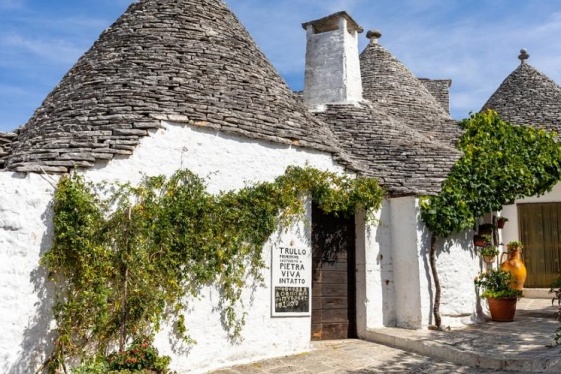
Unesco Sites of Italy: The Trulli of Alberobello
The trulli are historical limestone dwellings now mostly converted into museums or boutique hotels, found in the southern Italian region of Puglia. Unesco inscribed them into their World Heritage List in 1996, describing them as “remarkable examples of drywall construction […] The trulli are made of roughly worked limestone boulders” collected from...
READ MORE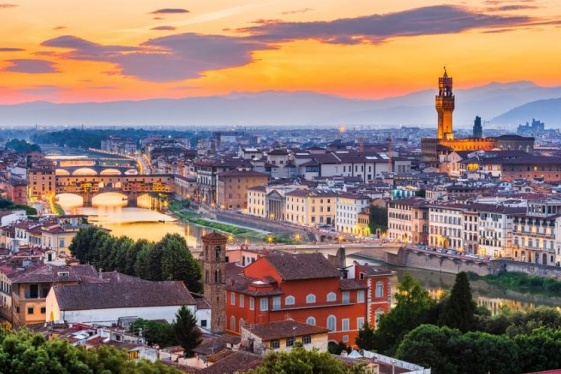
Unesco Sites of Italy: Florence
Inscribed on the Unesco World Heritage List since 1982, the historic center of Florence is defined as a “unique artistic realization, an absolute chef-d’œuvre, the fruit of continuous creation over more than six centuries.” In addition to its numerous museums, with the Uffizi Gallery renowned for being the oldest museum of modern Europe, Florence b...
READ MORE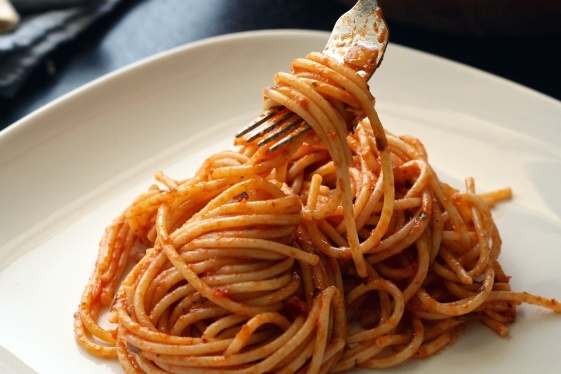
Global pasta consumption doubles
Ten years ago the Mediterranean Diet was recognized as an intangible heritage of humanity by UNESCO and even today it is still a growing trend in the world, as the increasing consumption of pasta shows. According to Us News & World Report, the Mediterranean Diet is confirmed as the best in the world. The popularity of this iconic Italian dish has a...
READ MORE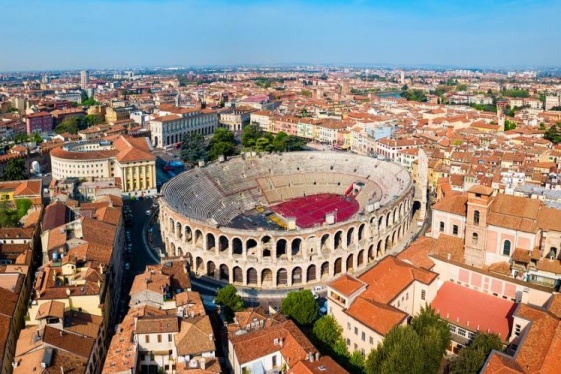
Unesco Sites of Italy: Verona
Built along the banks of the Adige river, the city of Verona has been a Unesco World Heritage site since 2000. Founded in the 1st century B.C. by the Romans, it was later conquered by different Barbarian tribes, until it became an independent municipality in the 12th century, when it prospered under the rule of the Scaligeri family. This wealthy an...
READ MORE
Unesco Sites of Italy: Assisi, the Basilica of San Francesco and Other Franciscan Sites
Located in central Italy, in the region of Umbria, Assisi is the birthplace of St. Francis, patron saint of Italy. Since Francis was canonized in 1228, only two years after his death, Assisi has been closely associated with the cult and diffusion of the Franciscan movement in the world, and its universal message of peace and tolerance. Assisi has...
READ MORE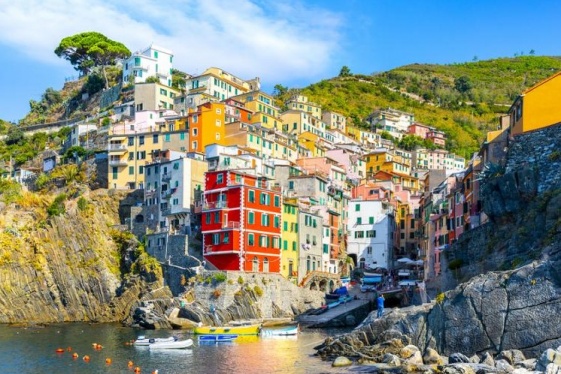
Unesco Sites of Italy: Portovenere, Cinque Terre and the Islands (Palmaria, Tino and Tinetto)
Portovenere, Cinque Terre, and the Islands of Palmaria, Tino and Tinetto on the Ligurian coast were inscribed into the list of Unesco’s World Heritage sites in 1997. According to Unesco, this area, comprised between Levanto and La Spezia, is a cultural and scenic landscape of great value which exemplifies a balanced interaction between humans and n...
READ MORE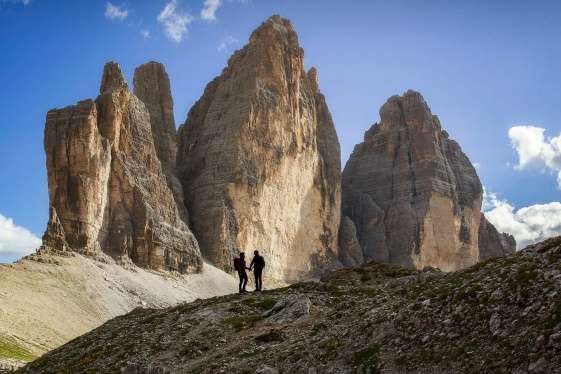
Unesco Sites of Italy: The Dolomites
Each mountain in the Dolomites is like a piece of art,” said legendary mountaineer Reinhold Messner, who was born and trained in these mountains in northern Italy, before going on to become the first man to climb all fourteen peaks over 8,000 meters, including the first ascent of Everest without supplemental oxygen. Extending from the River Adige...
READ MORE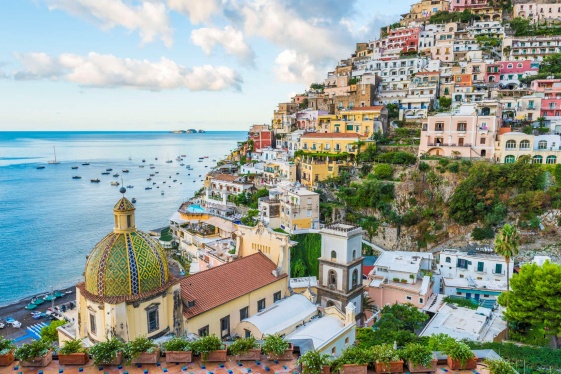
The Italian Coast You’ve Been Dreaming of Your Whole Life
Some places were just made to be photographed. The Amalfi Coast is painted in pastel colors, all little villas and lemon groves and winding cobblestone staircases clinging to steep seaside cliffs. It’s the kind of impossible picturesqueness that doesn’t feel entirely real to anyone who didn’t grow up there. When you’re imagining Italy as a “boot,”...
READ MORE