



Dec 04, 2017
724
BY: Darryl Holter
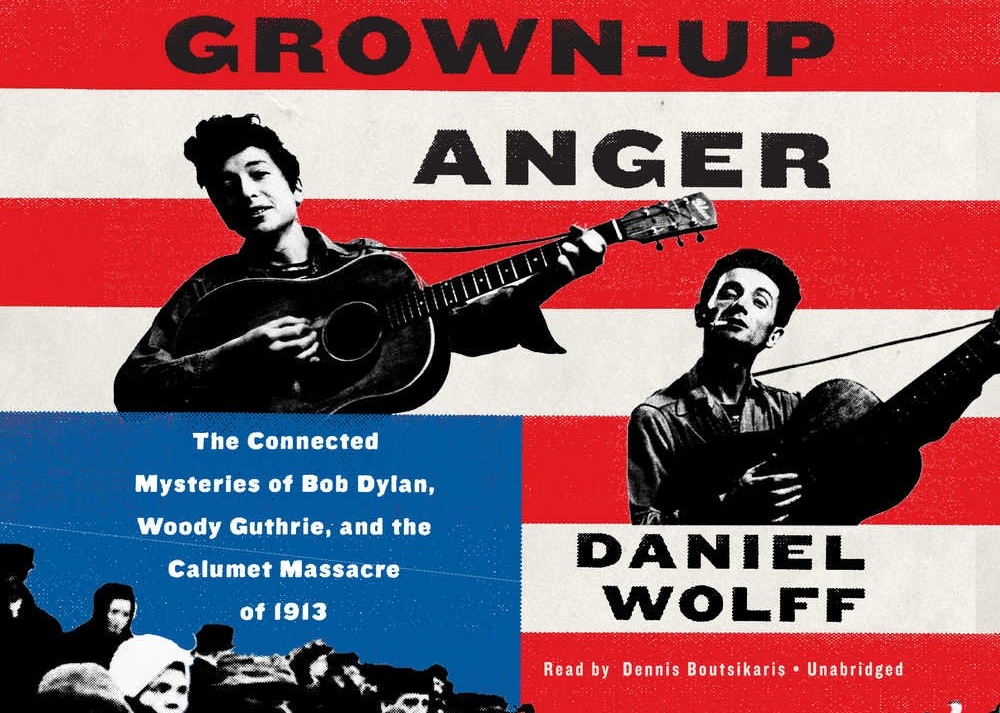
A LABOR STRIKE and a heart-wrenching tragedy in 1913, Woody Guthrie at a hootenanny in a New York basement in 1945, and Bob Dylan in a recording studio in 1962 — these three seemingly unrelated events provide the framework for Daniel Wolff’s study of industrial violence in the United States, the folk music revival, and the evolution of rock ’n’ roll.
Wolff’s narrative is an angry polemic and social commentary. The “mysteries” he explores reveal how economic depression, foreign wars, and racial discrimination shaped the music of two restless and fiery artists. Along the way, he delves into the world of copper mining, revising the official version of the 1913 tragedy in order to set the record straight.
SOURCE: https://lareviewofbooks.org
You may be interested
-
'Phantom Limb': A Conversation With Dennis...
Dennis Palumbo is a thriller writer and psychotherapist in private practice. He's the auth...
-
An Unlikely Union: The love-hate story of Ne...
Award-winning author and Brooklynite Paul Moses is back with a historic yet dazzling sto...
-
Former Montclair resident turns recipes into...
Former Montclair resident Linda Carman watched her father's dream roll off the presses thi...
-
''La Gente di Mulberry Street'' presentato a...
Valsinni- Italia, terra di emigranti. Presentato a Valsinni il nuovo saggio storico di Raf...
-
'An Unlikely Union' author Paul Moses on his...
by Ginger Adam Otis Any journalist who has ever been an author has lived through...
-
'An Unlikely Union': Paul Moses on the urban...
Few American cities, with the possible exception of Chicago, do urban ethnic drama like Ne...
-
'Augie’s War' novelist to appear at Elkins bo...
Charleston author and Gazette-Mail wine columnist John H. Brown will conduct a book readin...
-
'Ferrante Fever' Documentary: A Literary Phen...
It's generally accepted that, in order to achieve fame and fortune, one must be prepared t...