



Nov 29, 2018
731
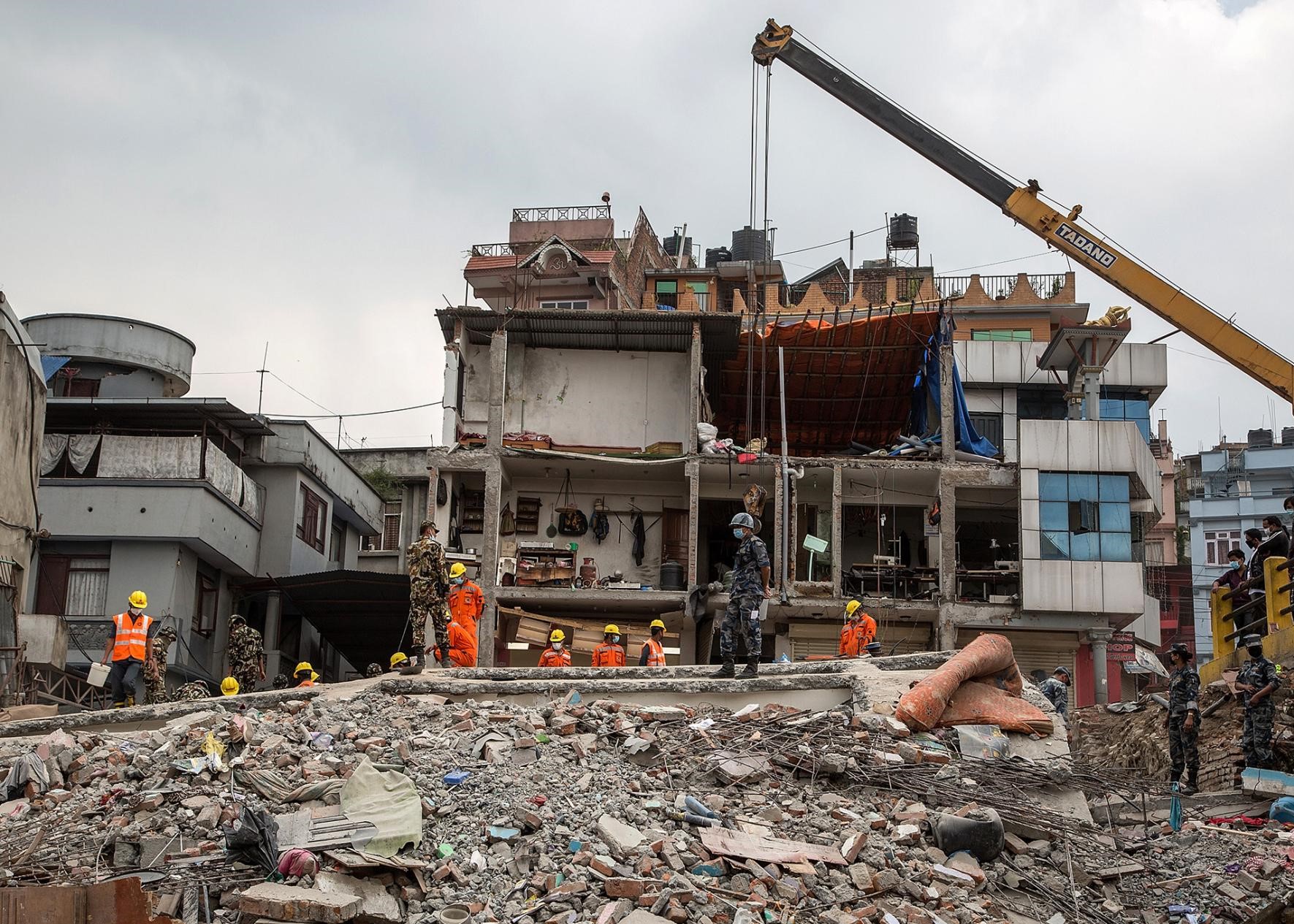
In my previous pieces I wrote on three relations that appear evident in Italian society: that between the religious and the secular, between culture and agriculture, and between earthquake and architecture. In demonstration of the last relation, I offer in this piece a discussion of the earthquake that struck the Val di Noto in Sicily in 1693 and its subsequent reconstruction, and what it might reveal to us in a time in which earthquakes and our responses to them continue to be an important part of life in Italy. I engage these topics as a geographer, which means that the materiality of landscape, the natural and built elements of the places in which we live, is very much front and center in my thinking.
You might think that people who lived in the 17th and 18th centuries were radically different from us, but if you look at the representations of themselves that they created, and often mounted on the facades of their buildings, you realize that they were very much like us, essentially human in their facial expressions while at the same time modern in the technologies that they enjoyed, eyeglasses for instance. So too was a building, then as it was now, built of stone or masonry, having doors and windows, and having roughly the same proportions that contemporary buildings have. In fact, many buildings from this period are still standing and highly functional, a cultural richness that blesses Italy and other parts of Europe.
SOURCE: https://italicsmag.com/
You may be interested
-
Davide Gambino è il miglior "Young Italian F...
Si intitola Pietra Pesante, ed è il miglior giovane documentario italiano, a detta della N...
-
Italian American Culture Night
Tuesday, April 14 - 6.30 pm EDTSt. James Church Rocky Hill - 767 Elm St, Rocky Hill,...
-
'A beacon of hope': Sicily’s enduring North A...
On a late summer evening in the Sicilian seaside village of San Vito Lo Capo, Anna Grazian...
-
'Italy Stay Strong': What The Coronavirus Eme...
On the northern coast of Sicily, looking out toward the magnificent Aeolian Islands, Milaz...
-
'Open-air museum' in Sicily with contemporary...
The Foundation Orestiadi in Gibellina is launching the first open-air exhibit in Sicily si...
-
'People thought I was crazy:' The Sicilian ma...
When thinking of Sicily, it's easy to imagine white sandy beaches, timeless architecture a...
-
'Porta d'Europa' ('Gateway to Europe')
BY THE AIRPORT ON THE tiny Italian island of Lampedusa, near the ruins of bunkers and mili...